
Once visa matters are sorted, navigating the journey from Hong Kong to Shenzhen and exploring the city efficiently becomes the next priority for a fulfilling day trip. This article covers the various transportation options for crossing the border, as well as essential tips for getting around Shenzhen and staying connected.
Crossing the Border from Hong Kong: Your Gateway to Shenzhen
Several convenient transportation options connect Hong Kong and Shenzhen, each offering distinct advantages for day-trippers.
MTR/High-Speed Rail: The Most Popular Choice
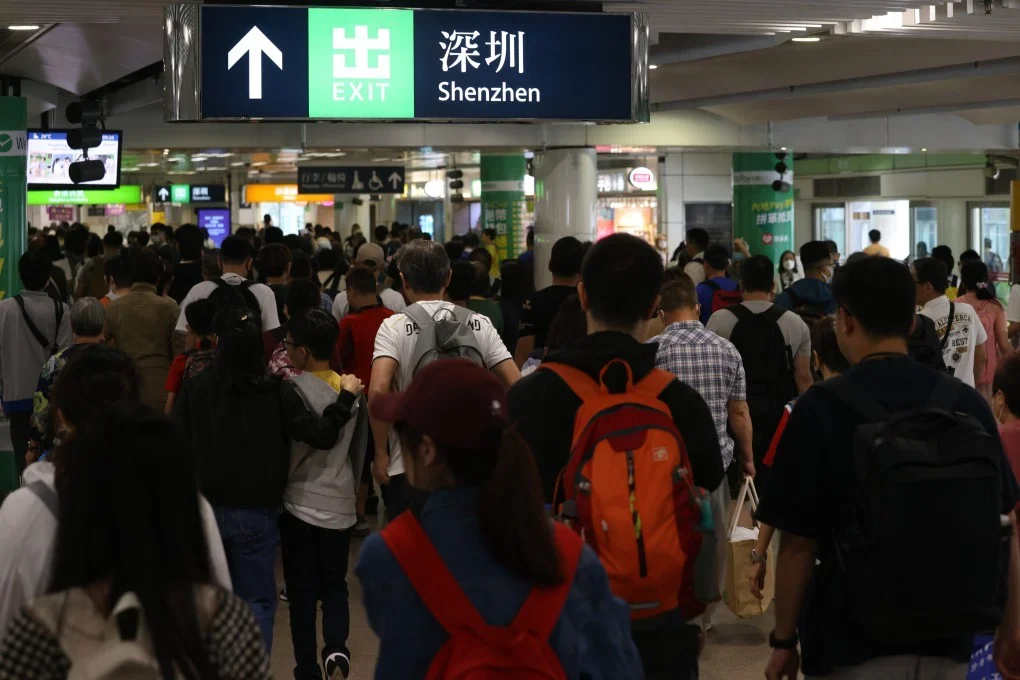
The MTR and High-Speed Rail (XRL) offer efficient connections. The MTR East Rail Line directly links urban Hong Kong to Lo Wu (Luohu District) and Lok Ma Chau (Futian Checkpoint), providing seamless access to Shenzhen’s metro system upon arrival.
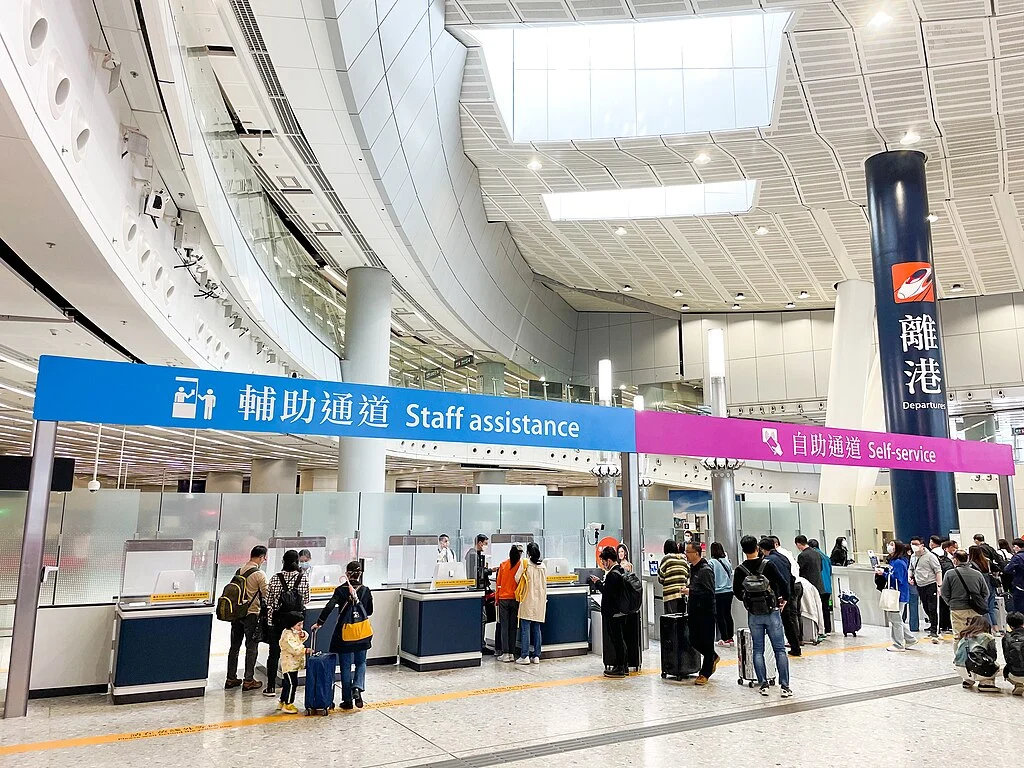
For the fastest inter-city travel, the High-Speed Rail from Hong Kong West Kowloon connects directly to Shenzhen North or Futian stations in minutes. While XRL is quicker between stations, MTR options offer direct border-to-metro integration, making them highly efficient for day trips depending on your starting point in Hong Kong and Shenzhen destination.
Cross-Border Buses: Flexible & Direct to Various Districts
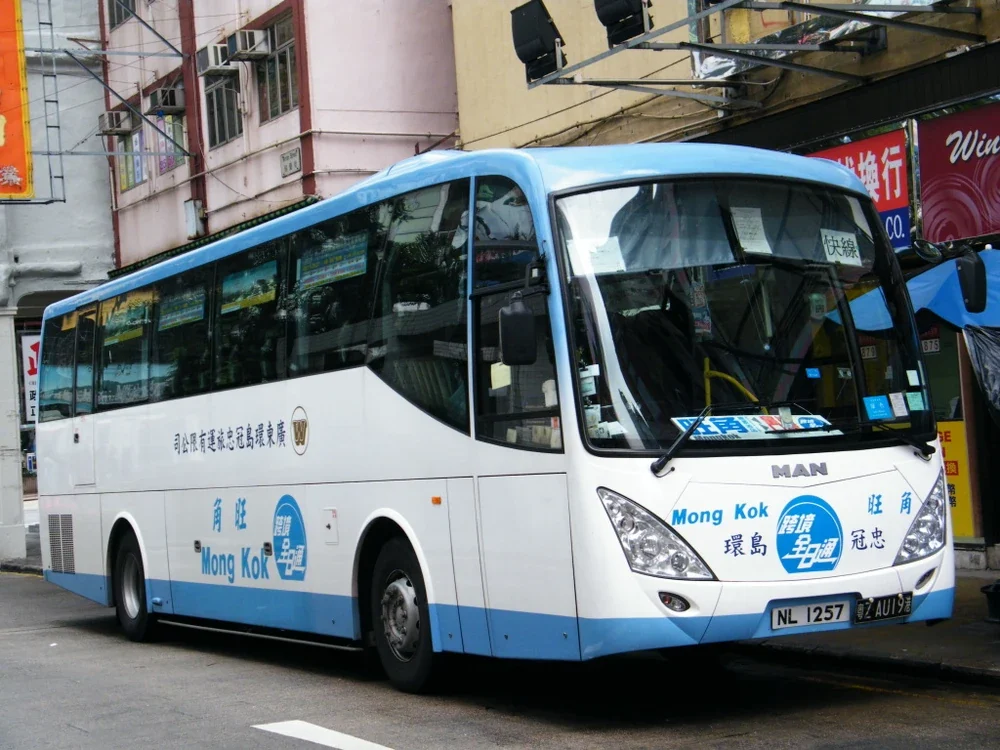
Cross-border buses offer flexible routes from various Hong Kong points to Shenzhen Bay Port or Huanggang Port. Huanggang Port is notably the only 24-hour border crossing, ideal for late returns.
Ferries: Scenic & Convenient for Coastal Areas
Ferries provide a scenic route from the Hong Kong Macau Ferry Terminal to Shekou Port. This option is convenient for accessing Nanshan District and Shekou’s international scene, offering a relaxed alternative to land crossings.
Taxi: Premium Convenience
Taxis offer premium, direct travel via the Shenzhen Bay Bridge or the Lok Ma Chau, costing HKD 300-400. While offering door-to-door convenience, border crossing times can vary significantly.
| Crossing Point | Primary Transport from HK | Estimated Travel Time from HK (from urban HK) | Estimated Cost from HK (HKD) | Border Operating Hours | VOA Office Availability | VOA Office Hours (if applicable) | Notes |
| Luohu Port (Lo Wu) | MTR East Rail Line | 40-60 mins | 40-50 | 6:30 AM – 24:00 Midnight | Yes | 9:00 AM – 4:30 PM | Busiest land port; Direct MTR link |
| Lok Ma Chau (Futian) | MTR East Rail Line | 40-60 mins | 40-50 | 6:30 AM – 10:30 PM | No | N/A | Direct Metro link to HK MTR East Rail Line |
| West Kowloon Station (High-Speed Rail) | High-Speed Rail | 14-20 mins (to Futian/Shenzhen North) | 75-90 | 6:30 AM – 11:30 PM | No | N/A | Fastest rail link; “Two Inspections at One Place” |
| Shenzhen Bay Port | Cross-Border Bus, Private Car/Taxi | 40-60 mins | 35-150 | 6:30 AM – 24:00 Midnight (passengers) | No (VOA Office) | N/A (VOA Office) | Popular bus crossing, co-located immigration |
| Huanggang Port | Cross-Border Bus, Private Car/Taxi | 60-90 mins | 50-100 | 24 Hours | Yes | 9:00 AM – 4:30 PM [2, 7] | Only 24-hour port in China |
| Shekou Port | Ferry | 30-60 mins | 90 | 7:00 AM – 10:30 PM | Yes | 9:00 AM – 1:30 PM, 2:30 PM – 5:00 PM | Direct access to Shekou area, expat-friendly |
| Fuyong Port (Shenzhen Airport) | Intermittent | N/A (Intermittent) | N/A (Intermittent) | 8:00 AM – 9:00 PM (Ferry Terminal) | Intermittent | N/A (Intermittent) | Primarily serves airport ferry passengers |
Navigating Shenzhen Like a Local: Getting Around & Staying Connected
Efficient navigation and seamless connectivity are paramount for maximizing a one-day trip to Shenzhen.
Shenzhen Metro: Your Best Friend for City Exploration
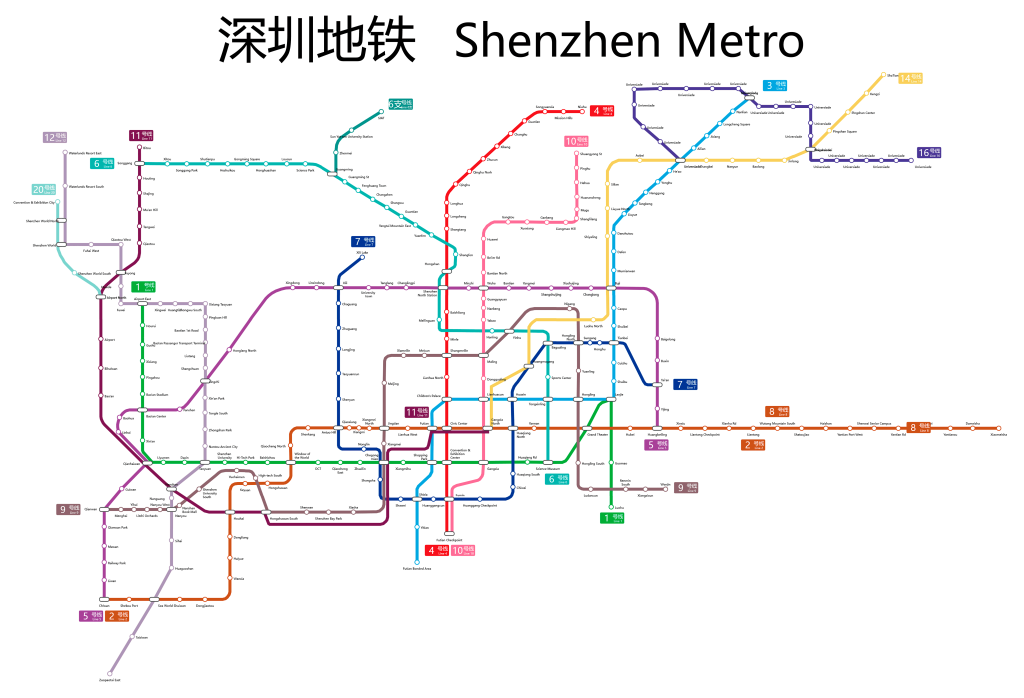
Shenzhen boasts a highly advanced and rapidly expanding metro system, making it the most efficient way to travel around the city.The system is exceptionally visitor-friendly, with all signage, announcements, maps, and ticket machines available in both English and Chinese.
For payment, travelers have several options:
- Cash
- Shenzhen Tong Card (pay-as-you-go public transportation card; China T-union cards may be compatible)
- Mobile Payment (Highly Recommended): WeChat Pay and Alipay, using transport tabs or QR codes for tap-in/tap-out
Dedicated Shenzhen Metro map applications (e.g., “Explore Shenzhen Metro” on Google Play and Apple App Store ) offer quick route planning, detailed station information, and often function offline, proving invaluable for travellers.
Shenzhen operates predominantly on a cashless economy, making WeChat Pay and Alipay essential for public transport and daily transactions.Setting these up before arrival is crucial to avoid inconvenience.
Taxis/Ride-hailing (DiDi): Expanding Your Reach
While the metro is excellent for central areas, buses and ride-hailing services extend access to attractions beyond the immediate metro network, such as Dameisha Beach or Dapeng Fortress.
- Taxis/Ride-hailing: DiDi Chuxing is a widely used ride-hailing app that features an English interface, making it accessible for foreign visitors.As most drivers may have limited English proficiency, it is advisable to have destination names and addresses written down in Chinese characters or saved on a phone for clear communication.Taxi fares are metered, with a surcharge applied during late-night hours.
For comprehensive exploration beyond the immediate metro vicinity, travelers should be prepared to utilize buses or ride-hailing services. This necessitates having mobile payment applications fully set up and, ideally, possessing destination names in Chinese characters to facilitate communication with taxi drivers.
Essential Digital Tools for Your Trip:
WeChat Pay & Alipay: Your Digital Wallets WeChat Pay and Alipay are indispensable for daily transactions in Shenzhen, allowing foreign users to link international credit cards (Visa, Mastercard, Amex, Discover).[30, 31, 35, 36] Debit cards may be less reliable for WeChat Pay.[35]
A step-by-step guide for setting up these apps:
- Download the App: Download the official WeChat and Alipay applications from your device’s app store. For WeChat, ensure it is the international version.
- Create an Account: Register for an account using your home country’s phone number. This number will be used for SMS verification during the setup process.
- Identity Verification: Complete the identity verification process by uploading a scan of your valid passport. This approval process may take a day or more, so initiating it well in advance of travel is crucial.
- Link Your Credit Card: Navigate to the “Wallet” or “Bank Cards” section within the app and enter your international credit card details. Your bank may send a verification code to confirm the linkage.
As China’s digital payment ecosystem is deeply integrated, setting up WeChat Pay and Alipay before your trip is crucial for seamless transactions and avoiding travel frustrations.
Connectivity: Staying Online Maintaining internet access is vital for navigation, communication, and accessing familiar online services.
- SIM/eSIM Cards:
- Hong Kong SIM with China Roaming: Some Hong Kong tourist SIM cards offer data coverage that extends to mainland China, providing a convenient option for seamless connectivity across regions. Many of these support 5G connectivity and explicitly state that they route traffic in a way that bypasses China’s Great Firewall.
For expats, maintaining access to familiar communication tools (such as WhatsApp and Gmail) and information sources is key to feeling comfortable and secure, even on a short trip. Pre-arranging connectivity that effectively bypasses the Great Firewall, whether through specific SIMs or a reliable VPN, significantly enhances the travel experience.
Although digital payments are paramount for convenience in Shenzhen, carrying a small amount of CNY cash is a sensible precaution for immediate necessities or situations where mobile payments might not be accepted.
By planning your transportation and digital essentials in advance, you can ensure a seamless and stress-free journey, allowing you to focus on enjoying your Shenzhen day trip.