

If you ever find yourself with the opportunity to visit just one city in China’s Shanxi Province, don’t miss Datong. This ancient capital in northern Shanxi has been a hidden gem for centuries, but ever since it became a filming location for the hit game “Black Myth: Wukong,” it’s been on everyone’s travel radar.
A Living Museum of Ancient Architecture
With over two thousand years of history, Datong is often described as an open-air museum of ancient architecture. Every brick and stone here tells a story, making it a must-see destination for anyone interested in history and culture. Datong is also a key stop on the famous “Liang and Lin Route,” named after the renowned Chinese architects Liang Sicheng and Lin Huiyin, who dedicated their lives to preserving China’s architectural heritage.
The Magic of Datong’s Landmarks
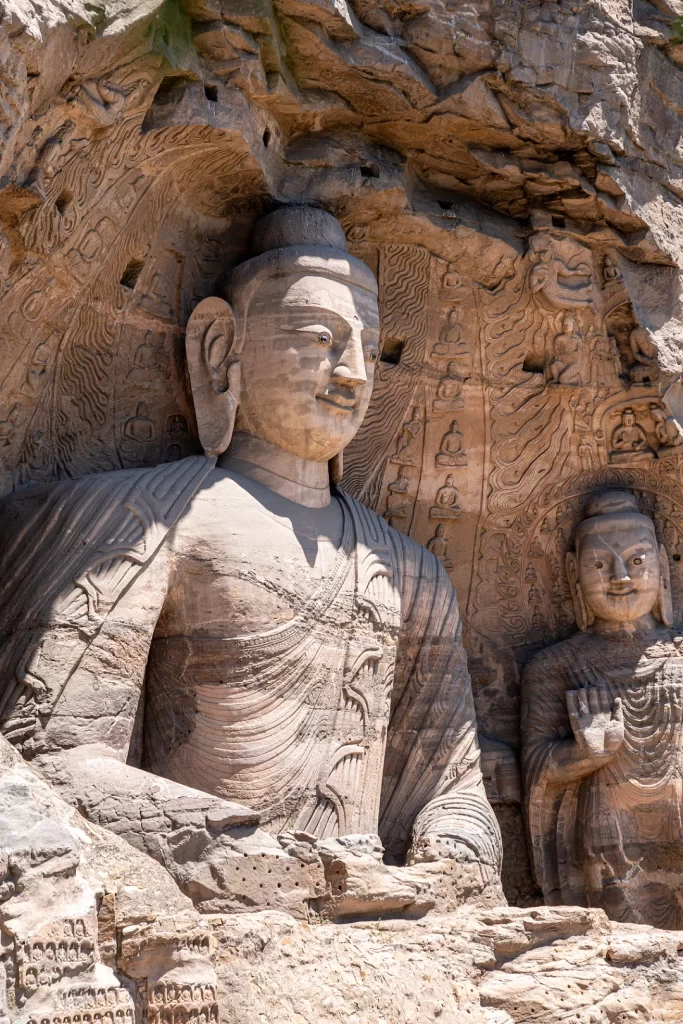
One of the most iconic landmarks in Datong is the Yungang Grottoes, a UNESCO World Heritage Site. These ancient caves are filled with thousands of Buddha statues, showcasing the pinnacle of Northern Wei Dynasty art. The intricate carvings and the sheer scale of the grottoes are simply breathtaking.
Another marvel is the Wooden Pagoda in Yingxian, often referred to as a “miracle of wooden architecture.” This centuries-old structure stands tall without a single nail, a testament to the ingenuity of ancient Chinese craftsmen.
And then there’s the Huayan Temple, with its stunning murals that transport you back in time. Every brushstroke feels like a portal to the past.
A Journey Through Time in Datong
But Datong is more than just its ancient buildings. It’s a city where you can experience a unique blend of the past and the present. Start your day by wandering through the ancient city walls. As the sun sets, the lanterns along the walls light up, creating a magical atmosphere.
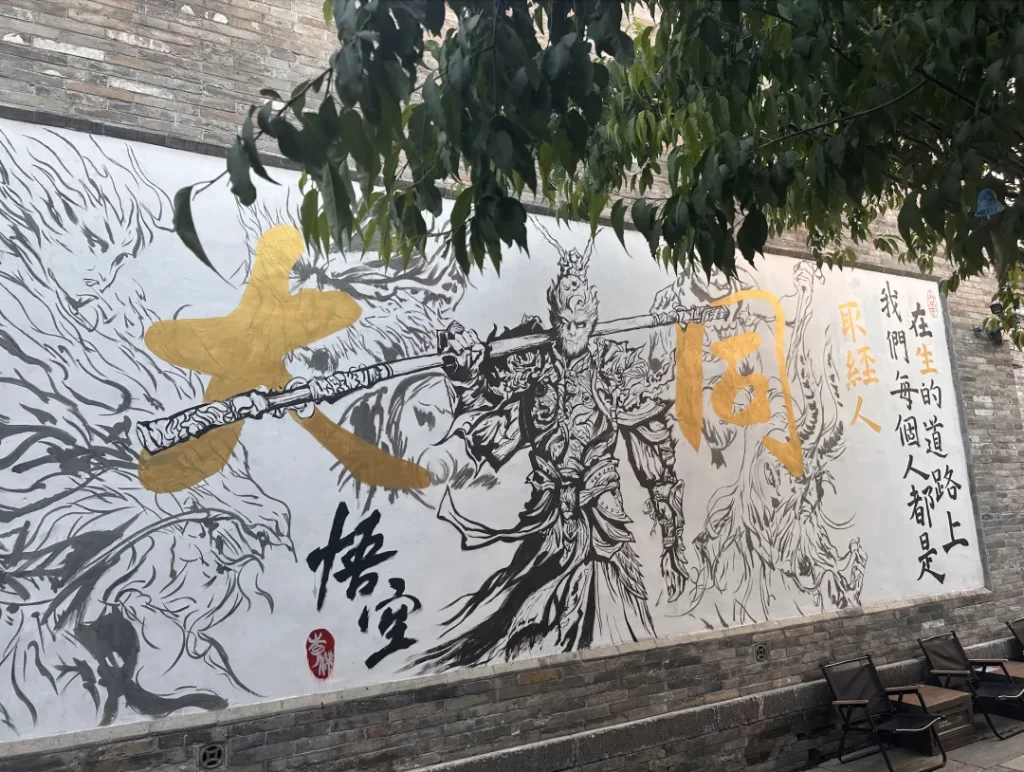
Head over to the Southeast District, a trendy art zone that has preserved the ancient “grid” layout from the Northern Wei Dynasty. Here, you’ll find traditional courtyard houses transformed into modern art galleries, coffee shops, and craft stores. It’s like stepping into a living, breathing timeline of Chinese history.
The Heart of Datong’s History
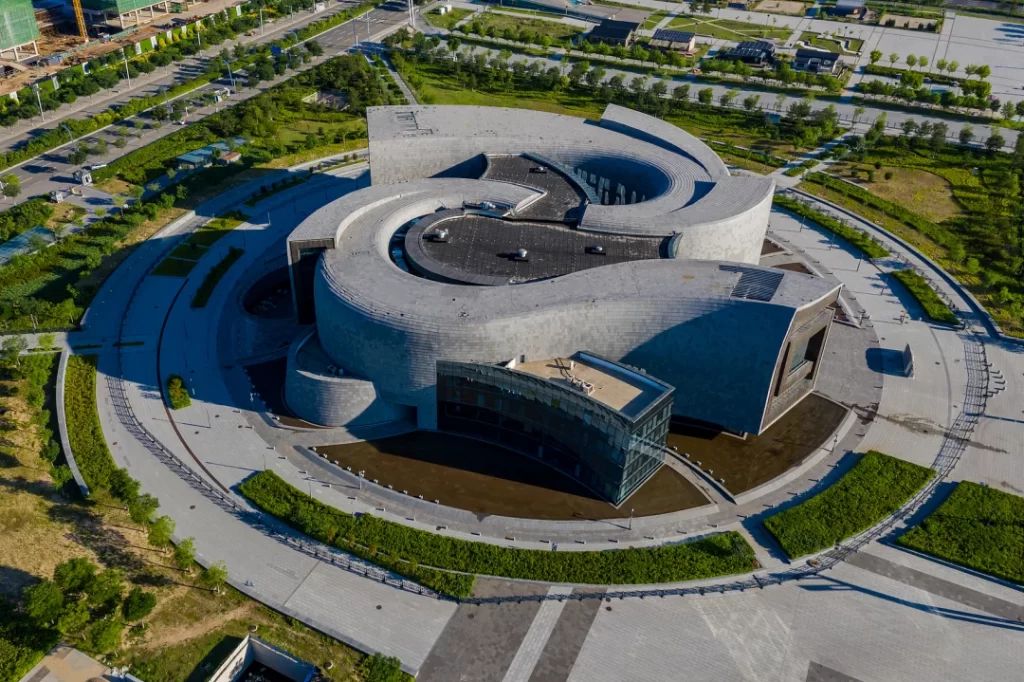
To truly understand Datong, visit the Datong Museum. This national first-class museum houses over 170,000 artifacts, showcasing the city’s rich history from the Han Dynasty to the Ming and Qing Dynasties. The museum’s unique spiral design, inspired by the city’s volcanic landscape and cultural heritage, feels like a dragon soaring through time.
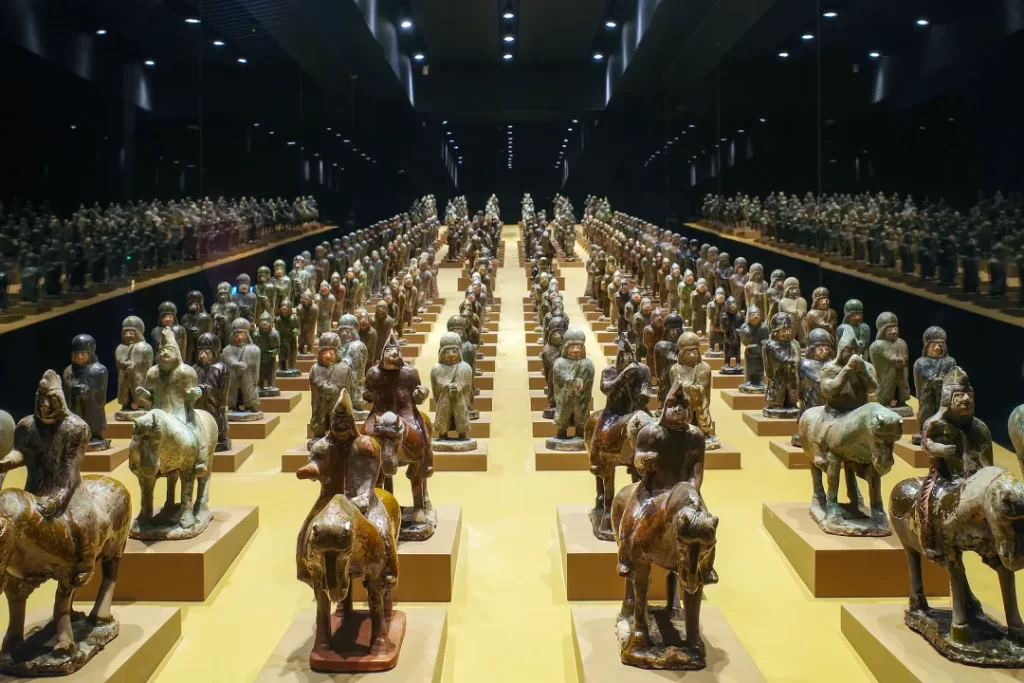
Inside, you’ll find treasures like the “Northern Wei Blue” glassware, which reflects the vibrant trade along the Silk Road. The colorful lacquer screens and lifelike clay figurines bring the stories of ancient nobility to life.
A Nostalgic Trip to the Past
Datong is also a city of memories. After World War II, it became a major coal-mining hub, earning the nickname “the eldest son of China’s coal industry.” The city’s industrial heritage is still visible in places like the Children’s Park, which was once the only place in town with large amusement rides.
Built in 1983, the park is a nostalgic throwback to the 1980s and 1990s. It even has a Mig-15 fighter jet donated by the military, which became a symbol of the park. The park’s whimsical “Little Flying Child” astronaut statue, featured in Jia Zhangke’s film “A Touch of Sin,” has become a modern logo of Datong.
Taste the Flavors of Datong
No trip to Datong is complete without trying the local cuisine. Head to the famous “Shunyi Liangfen” shop near the Nine-Dragon Wall. Their cool, spicy jelly noodles are a perfect snack on a hot summer day. Wash it down with a cup of sea buckthorn ice cream—a tangy and sweet treat that’s both refreshing and unique.

As the night falls, the bars and restaurants in the Southeast District come to life. Enjoy a cocktail while listening to live guitar music, and let the ancient charm of Datong wash over you.
Why Datong?
Datong is a city where every corner tells a story, and every experience feels like a journey through time. It’s a place where ancient legends meet modern life, where history and culture blend seamlessly with contemporary charm. Whether you’re a history buff, an art lover, or just someone looking for a unique travel experience, Datong has something to offer everyone.
So, the next time you plan a trip to China, consider Datong. It’s more than just a city—it’s a living, breathing timeline of Chinese civilization. And who knows? You might just find yourself falling in love with its timeless beauty.